Introduction
Ballet has long been a cherished art form, one that carries with it the weight of tradition and history. It’s a dance style steeped in elegance and discipline, originating from the Italian Renaissance courts before making its way to France and Russia, where it flourished into the classical ballet we recognize today. Yet, as with all art forms, ballet is not static; it evolves. In recent years, modern ballet dance studios have embraced innovation while honoring tradition, creating a unique blend that appeals to contemporary audiences and dancers alike.
In this article, we will explore The Evolution of Ballet: How Modern Studios Adapt Tradition by examining various aspects—ranging from the historical roots of ballet to how today's studios are reshaping its future. We’ll delve into teaching methods, choreography styles, and diverse influences that breathe new life into this timeless art form.
The Historical Roots of Ballet
Origins in the Italian Renaissance
Ballet's journey began in Italy during the late 15th century. The term “ballet” comes from the Italian word “ballare,” meaning to dance. Initially, it was performed at court celebrations and gatherings where noble families showcased their wealth through elaborate performances.
Transition to France
By the 17th century, ballet migrated to France under King Louis XIV’s patronage. This marked a significant transformation; it became more structured and formalized. The establishment of the Académie Royale de Danse in 1661 set standards for technique and performance.
The Rise of Russian Ballet
In the 19th century, Russian ballet emerged as a powerhouse in the dance world. With choreographers like Marius Petipa at the helm, productions became grander and more theatrical. The introduction of iconic ballets such as "Swan Lake" and "The Nutcracker" solidified its place in cultural history.
Understanding Traditional Ballet Techniques
Classical Technique Fundamentals
At its core, classical ballet relies on foundational techniques that emphasize Ballet Dance Academy posture, alignment, strength, and grace. The five positions of the feet are fundamental elements taught in every ballet class across dance studios worldwide.
Importance of Pointe Work
Pointe work is another hallmark of classical ballet that showcases a dancer's skill level. It allows dancers to perform on their toes using specially designed shoes known as pointe shoes—a challenging but essential aspect for many aspiring ballerinas.
Modern Influences on Ballet Dance Studios
Contemporary Styles Emerge
As society changes, so too do artistic expressions. Contemporary ballet often incorporates elements from various genres—jazz, hip-hop, and even modern dance—to create something fresh yet respectful of tradition.
Fusion with Other Dance Forms
Many modern dance studios now offer classes blending classical techniques with contemporary styles. This approach attracts diverse students who may not identify solely as classical dancers but are nonetheless drawn to ballet's elegance.
The Role of Technology in Modern Studios
Digital Learning Platforms
In recent years, technology has transformed how ballet is taught and learned. Virtual classes have become increasingly popular following global events that limited physical attendance at studios.
Social Media Influence on Promotion and Learning
Platforms like Instagram and TikTok have also played a pivotal role in shaping public perception about what constitutes ballet today. Dancers showcase their skills online while also pushing boundaries—mixing traditional moves with modern flair.
Diversity in Ballet: Expanding Representation
Breaking Stereotypes in Dance Communities
Traditionally dominated by specific demographics, modern ballet is witnessing an influx of diversity. Dance studios are now prioritizing inclusivity by offering scholarships or mentorship programs for underrepresented groups.
Cultural Influences on Choreography
Choreographers today draw inspiration from various cultures worldwide—creating pieces that reflect societal changes while preserving essential technical elements intrinsic to classical training.
How Modern Studios Adapt Tradition: A New Approach to Teaching Methods
Focus on Individual Expression
Contemporary teaching methods encourage students to express themselves more freely rather than strictly adhering to traditional forms or expectations associated with classical training.
Emphasis on Physical Wellness
Modern studios recognize the importance of holistic health for dancers’ longevity—incorporating strength training sessions alongside traditional classes helps prevent injuries while enhancing overall performance quality.
Choreography Trends Shaping Today's Performances
Collaborative Works: Blending Art Forms
Today’s choreographers are collaborating across disciplines such as visual arts or music composition—resulting in performances that challenge conventional narratives within both educational environments at dance academies as well as professional stages around the world.
Storytelling Through Movement
Choreographers strive not only for aesthetic beauty but also narrative depth—using movement to convey complex emotions or social messages resonates deeply with audiences seeking meaning beyond mere entertainment value.
Training Future Generations: The Role of Ballet Dance Academies
Curriculum Development Focused on Innovation
Ballet academies today prioritize keeping up-to-date curricula reflecting contemporary trends while ensuring students grasp traditional techniques effectively—balancing education towards rigorous training alongside creative exploration allows flexibility without losing sight of fundamentals.
Mentorship Programs for Aspiring Dancers
Strong mentorship programs play an integral role within many institutions where seasoned professionals guide young talents through their journeys—from technical skill-building towards career opportunities available post-graduation expands horizons previously unexplored.
FAQs
Q1: What distinguishes classical ballet from contemporary styles?
A1: Classical ballet is characterized by strict techniques emphasizing formality and structure while contemporary styles incorporate diverse movement influences allowing greater freedom for self-expression.
Q2: How can technology enhance learning experiences at a Ballet Dance Studio?
A2: Digital platforms enable remote learning options providing wider access to expert instruction regardless geographic constraints—all while utilizing tools like video analysis aiding feedback processes significantly improving student outcomes over time.
Q3: Are there any scholarships available for underrepresented groups interested in pursuing ballet?
A3: Yes! Many modern academies actively offer financial assistance programs aimed explicitly toward diversifying participation within their institutions encouraging broader community engagement fostering inclusivity among aspiring dancers everywhere!
Q4: What role does social media play in promoting modern interpretations of traditional ballets? A4: Social media serves as an effective platform where artists can https://www.letsknowit.com/doty83913 showcase innovative interpretations reaching broader audiences globally enabling conversations surrounding evolving art forms including contemporary takes on established works.
Q5: Why is physical wellness emphasized more now than ever before within training regimes? A5: Understanding physical health’s critical role aids injury prevention ensures dancer longevity promotes overall performance quality thus enhancing competitive edge sustaining passion throughout arduous journeys undertaken during rigorous practice schedules encountered daily!
Q6: How important is collaboration between different art forms when creating new performances? A6: Collaborative efforts foster creativity elevating artistic expression integrating multiple perspectives leading toward richer narratives ultimately captivating audience engagement elevating experience beyond mere visual appeal alone!
Conclusion
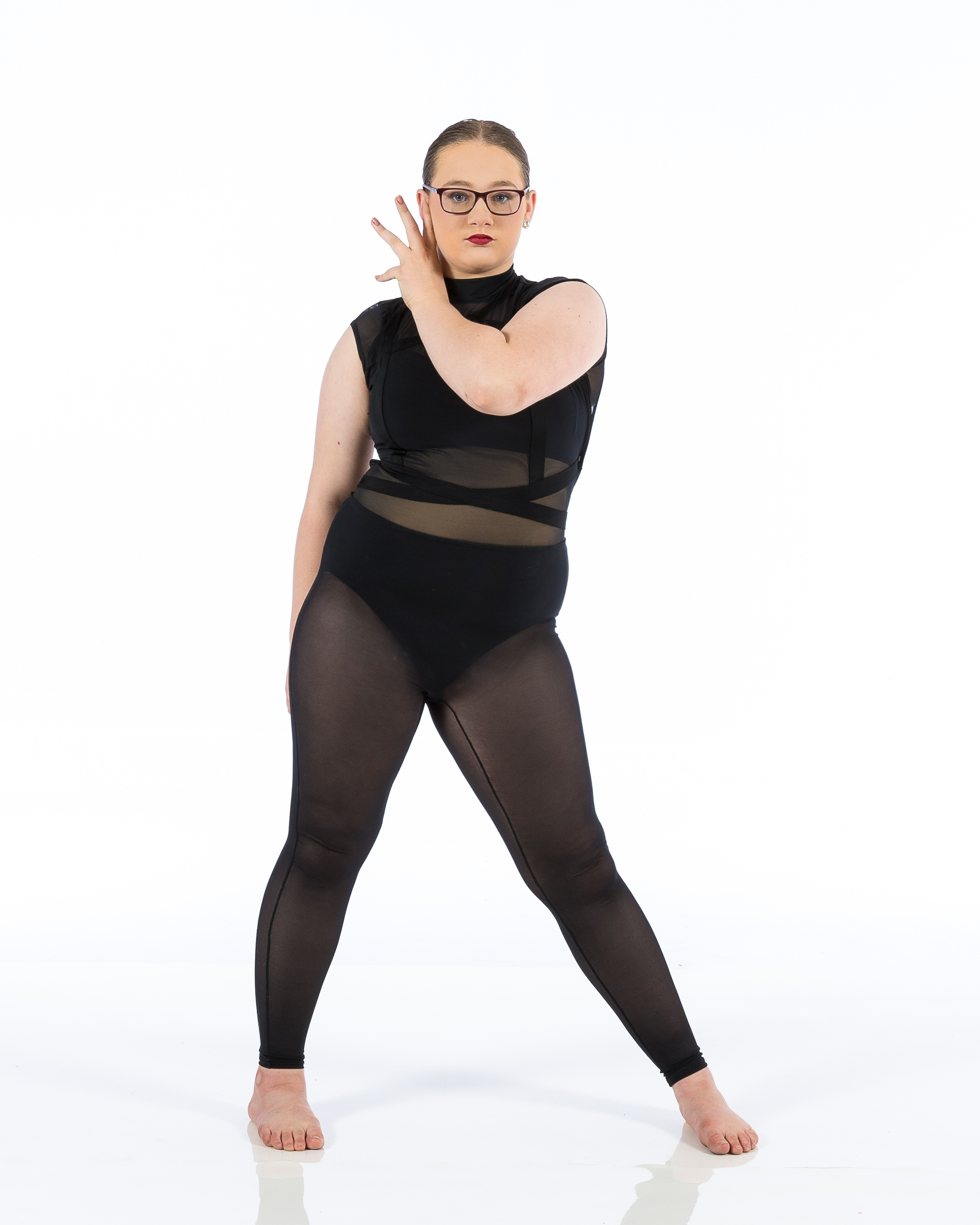
As we’ve journeyed through this exploration titled " The Evolution of Ballet: How Modern Studios Adapt Tradition," it's evident that while roots run deep in history's rich soil; branches extend far beyond! Today’s dance studios beautifully intertwine classical techniques with contemporary influences resulting fascinating new expressions—their commitment towards nurturing talent whilst embracing diversity fosters vibrant communities poised redefine everything we know about this timeless art form called 'ballet.' As these adaptations continue evolving alongside cultural changes taking place worldwide—the future indeed looks bright for aspiring dancers everywhere!