Introduction to Dance as an Art Form
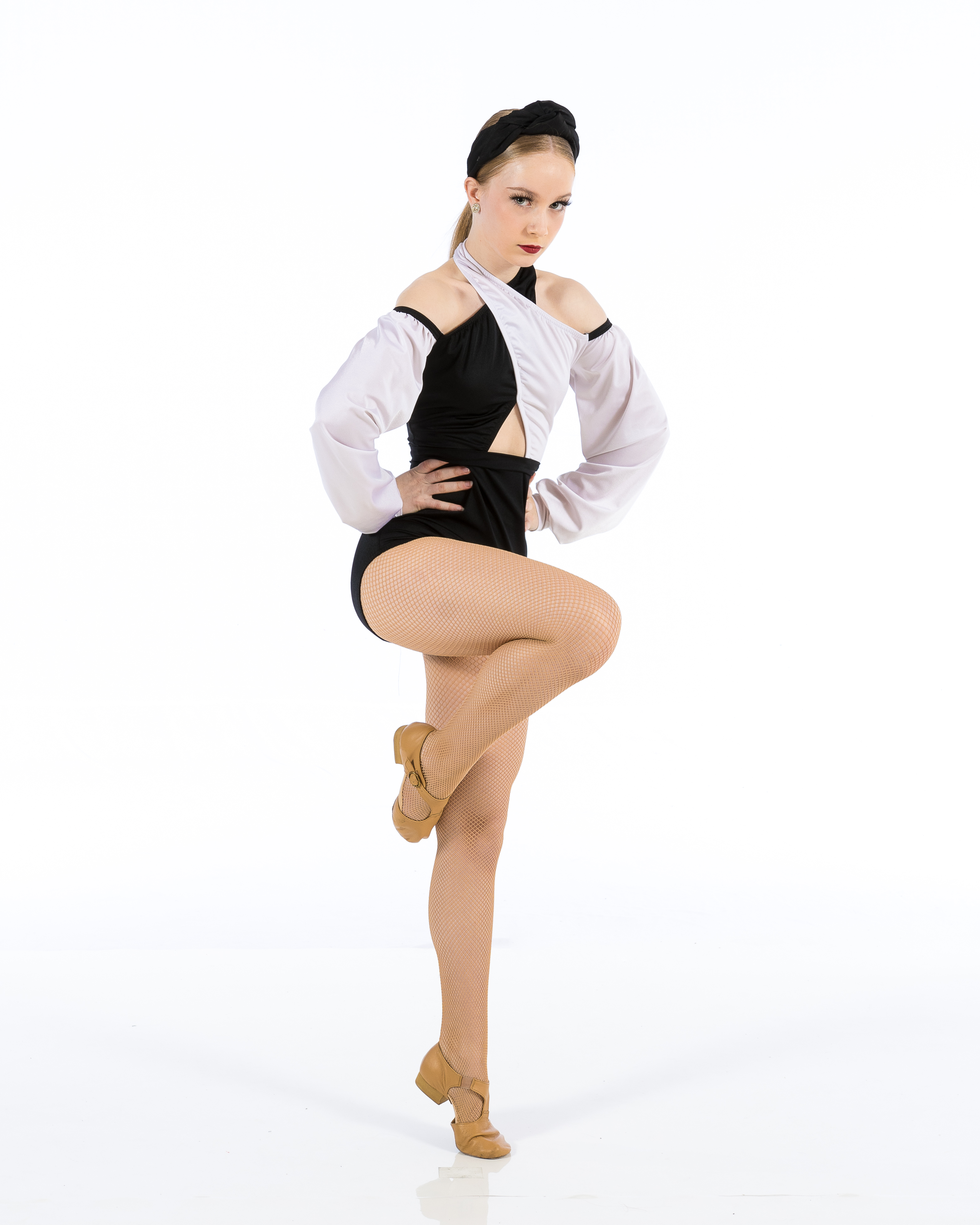
Dance is more than just a series of movements; it’s a language, a means of expression that transcends barriers and connects us on a fundamental level. In every groove, twirl, and leap, there lies an intricate tapestry of emotions, stories, and cultural significance waiting to be unraveled. The beauty in movement isn’t just about the physical act of dancing—it's the culmination of history, creativity, and personal expression that makes dance a profound art form.
In this extensive exploration of "Dance as an Art Form: Finding Beauty in Movement," we will delve into its multifaceted nature. From the historical roots of dance to modern-day interpretations in various dance studios across the globe, we’ll uncover how dance classes can elevate our understanding and appreciation for this dynamic medium. Through vivid examples and rich narratives, we will celebrate the artistry found within every choreography while considering how each dancer contributes to this living art form.
Dance as an Art Form: Finding Beauty in Movement
To fully appreciate dance as an art form, one must first understand its historical context. Dance has been practiced since ancient times, serving various purposes—from religious rituals to social gatherings. Each culture has its unique styles that reflect their values and beliefs.
Historical Origins of Dance
The roots of dance can be traced back thousands of years to ancient civilizations. For example:
- Ancient Egypt: Dance was intertwined with religious ceremonies and was performed by priests and priestesses. Greek Culture: Dance was integral to theatrical performances and festivals honoring gods like Dionysus. African Traditions: Many African tribes use dance to tell stories or mark important life events such as births or weddings.
These early forms laid the groundwork for contemporary practices seen today in various dance studios worldwide.
Cultural Significance of Dance
Every culture employs dance differently. It can serve as a method for storytelling or community bonding. Here are some notable examples:
- Bharatanatyam (India): This classical dance narrates stories through facial expressions (abhinaya) and intricate footwork. Flamenco (Spain): A passionate expression characterized by clapping (palmas), singing (cante), and percussive footwork. Hula (Hawaii): Combines chant (oli) with movement that reflects the beauty of nature.
Each style encapsulates the essence of its culture while also evolving over time.
The Evolution of Dance Styles
As society progresses, so does the art form itself. Modern dance has seen significant shifts:
- Jazz emerged from African American communities in the early 20th century. Hip-Hop, originating from street culture, showcases improvisation and individuality. Contemporary ballet blends classical techniques with modern themes.
This evolution highlights how dancers adapt their movements to express current societal narratives.
The Role of Dance Studios in Cultivating Talent
Dance studios play a pivotal role in nurturing aspiring dancers. They provide structured environments where individuals can learn various styles under professional guidance.
Benefits of Enrolling in a Dance Class
Skill Development: Beginners learn foundational techniques that are crucial for any style they wish to pursue. Physical Fitness: Regular classes promote strength, flexibility, and overall well-being. Community Building: Students often develop friendships through shared experiences and performances. Creative Expression: Classes encourage participants to explore their artistic sides through movement.Choosing the Right Dance Studio
When selecting a dance studio, consider factors such as:
| Criteria | Description | |-----------------------|--------------------------------------------------------| | Teaching Style | Look for instructors whose teaching methods resonate with you. | | Class Variety | Ensure they offer classes in styles you wish to explore. | | Location | Accessibility matters when committing long-term to classes. |
Finding the right fit can significantly impact your growth as a dancer.
Dance Techniques That Showcase Beauty in Movement
Understanding various techniques helps us appreciate what goes into creating mesmerizing performances.
Classical Techniques vs. Modern Interpretations
Classical techniques emphasize precision and formality:
- Ballet: Known for its structured positions like plié or tendu.
Modern interpretations often break these traditional molds:
- Contemporary: Encourages freedom and self-expression rather than strict adherence to set forms.
Choreography as Artistic Expression
Choreography is where imagination meets technique; it transforms mere movements into expressive works that convey emotions or narratives:
Storytelling Approach Abstract Concepts Fusion StylesEach choreographer brings their unique voice into play during creation.
The Emotional Power of Dance
One cannot ignore how deeply emotional connections run within this art form—both for dancers performing it and audiences receiving it.
Catharsis Through Movement
For many dancers, expressing feelings through movement provides therapeutic benefits:
- It serves as an outlet for stress relief—a way to channel pent-up emotions positively.
Connecting Audiences Through Performance
When audiences witness skilled performers convey raw emotion through nuanced movements—whether joy or sorrow—they often find themselves moved by what they see on stage.
Impact of Technology on Dance Today
Technology has changed how we create, learn about, share knowledge concerning dances worldwide!
Digital Platforms Revolutionizing Learning Opportunities
Online tutorials make it easier than ever before for anyone interested in taking up dancing best dance academy courses without needing access directly available at local studios!
YouTube Tutorials Virtual Workshops Social Media ChallengesThese platforms have burst open doors previously closed due solely because geography limited reachability!
FAQs About "Dance as an Art Form: Finding Beauty in Movement"
1. What is the importance of dance studios?
Dance studios provide structured environments where students can learn from experienced instructors while honing their skills across diverse styles!
2. How can I choose the right dance class?
Consider your interests! Research local offerings before enrolling based upon teaching style preferred; check reviews online too!
3. What are some common types of dances taught in studios?
Studios typically offer classes ranging from ballet & jazz through hip-hop & contemporary styles catering all levels beginner advanced alike!
4. Can adults participate in dance classes?
Absolutely! Many studios cater specifically towards adult beginners who wish explore new hobbies or even regain fitness levels lost over time!
5. Is it necessary having prior experience before joining?
Not at all! Most beginner classes welcome newcomers regardless prior backgrounds allowing everyone opportunity enjoy benefits learning something fresh!
6.Do I need special shoes for different types dances?
Yes! Different genres require specific footwear—ballet slippers/tap shoes suited certain practices while jazz sneakers might better suited others ensuring optimal performance comfort-wise throughout sessions!
Conclusion
In conclusion, "Dance as an Art Form: Finding Beauty in Movement" encapsulates much more than just physical activity—it represents culture's heartbeat reflected through each expressive gesture made by skilled performers worldwide! By engaging with diverse styles offered within dedicated spaces like local dance studios around town—individuals gain insights into rich histories alongside improved fitness outcomes too! So why not step out today? Join your nearest studio today embark upon transformative journey discovering incredible world awaiting those willing embrace beauty found amidst rhythmic motions life offers daily!